We accompany you in your life project!

Porvenir Tierra del fuego

Porvenir, Tierra del Fuego

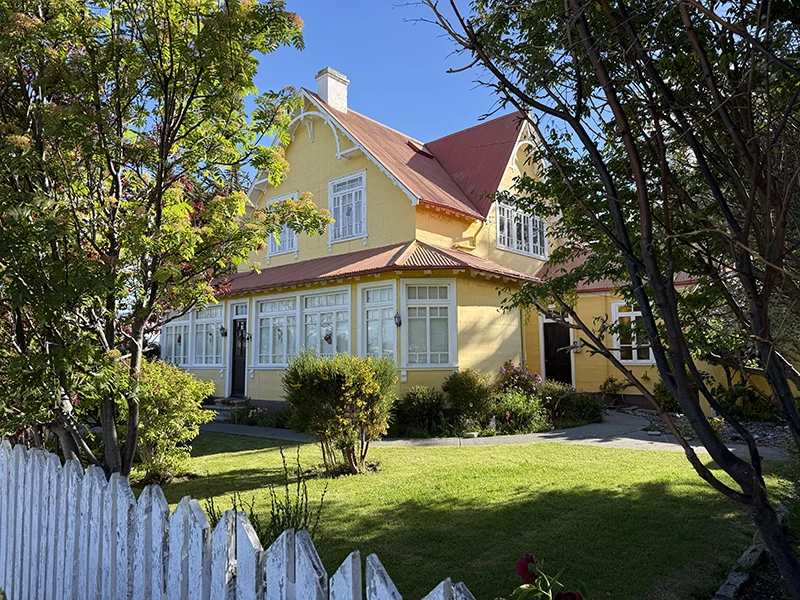
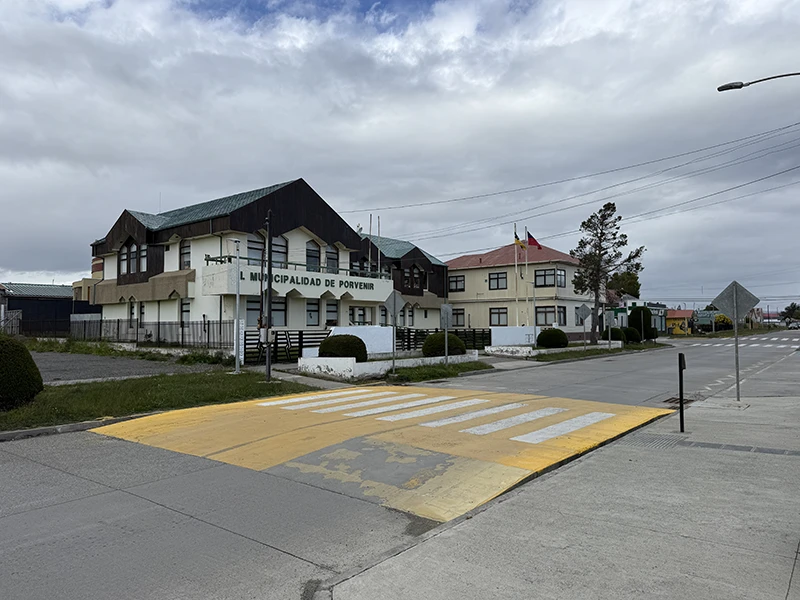
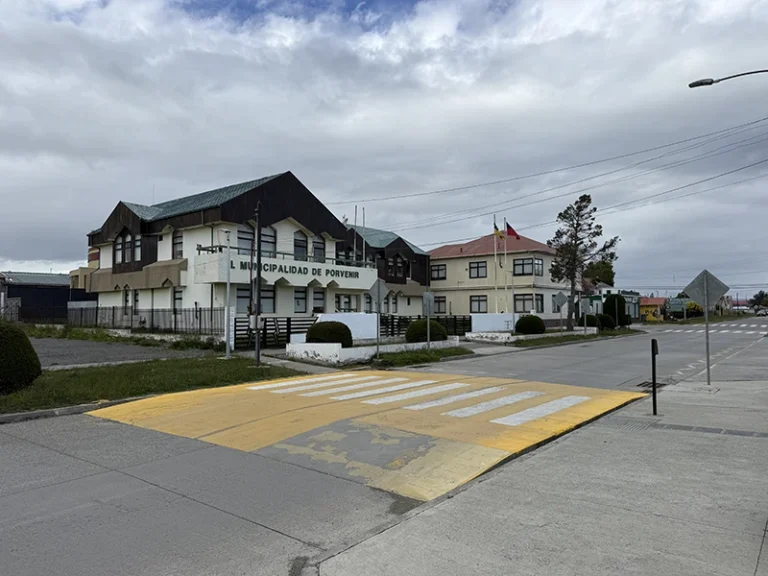
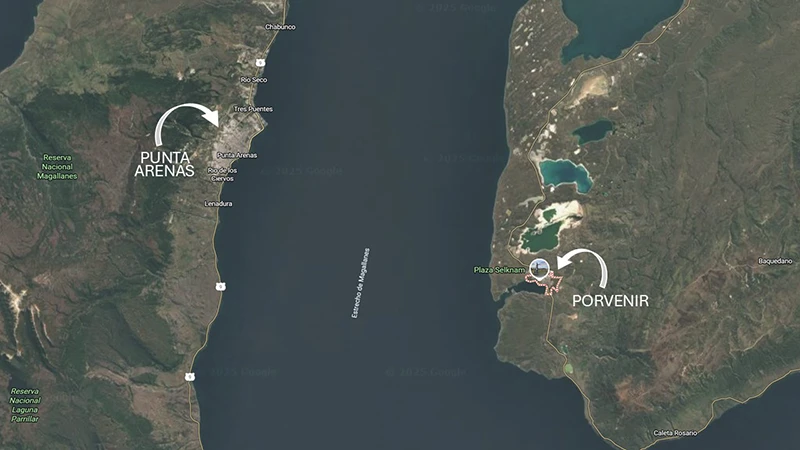
Porvenir is a city and commune in Chile located in the southern part of the the Isla Grande de Tierra del Fuego, in the region of Magallanes and of the Chilean Antarctic Territory. It is located opposite the city of Punta Arenas, separated by the Strait of Magellan. Porvenir is the capital of the province of Tierra del Fuego and the most populated locality in the area. a38> most populated of the Chilean area of the island. According to the census of 2017, the commune had around 7,400 inhabitants, the majority of whom were descendants of the Croatian and Chilote pioneers attracted by the fever of the a61> attracted by the gold rush of the late 19th century. The urban identity reflects its founding in the a74> early 20th century, with buildings in the style of Central Europe in harmony with the landscape of Patagonia.

MAPA PORVENIR

History

Until the end of the pre-Columbian period, the area had no permanent settlements, but was part of the háruwen (hunting grounds and seasonal use areas) of the Selknam and Haush peoples. There, the Selknam hunted in the Fuegian steppe and traveled along traditional routes. During the gold rush in Tierra del Fuego (in the 1880s), a police detachment was established in Porvenir Bay, marking the origin of the current settlement. The city was officially founded on June 20, 1894, by presidential decree of Governor Manuel Señoret, as part of the state colonization and formation of cattle ranches. The first settlers were European immigrants (British, Croatian) and settlers from Chiloé attracted by gold mining. These pioneers later promoted sheep farming and urban growth.

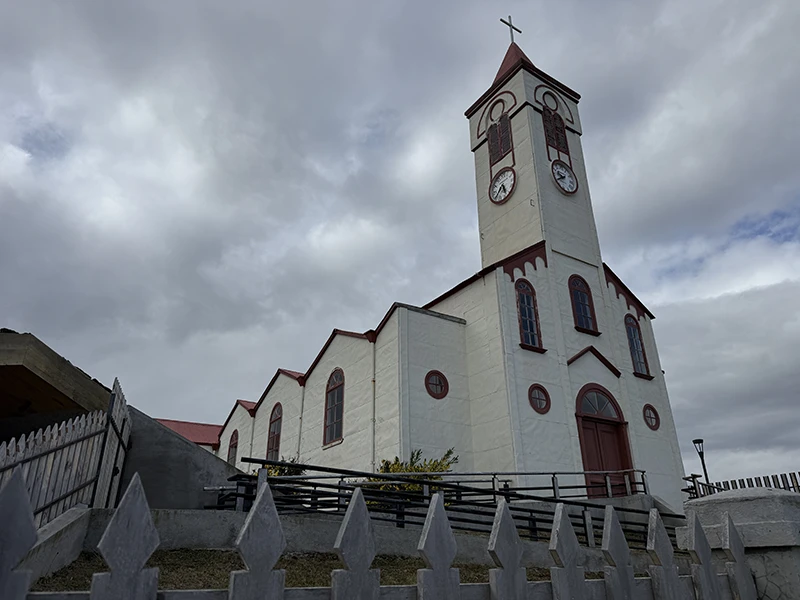
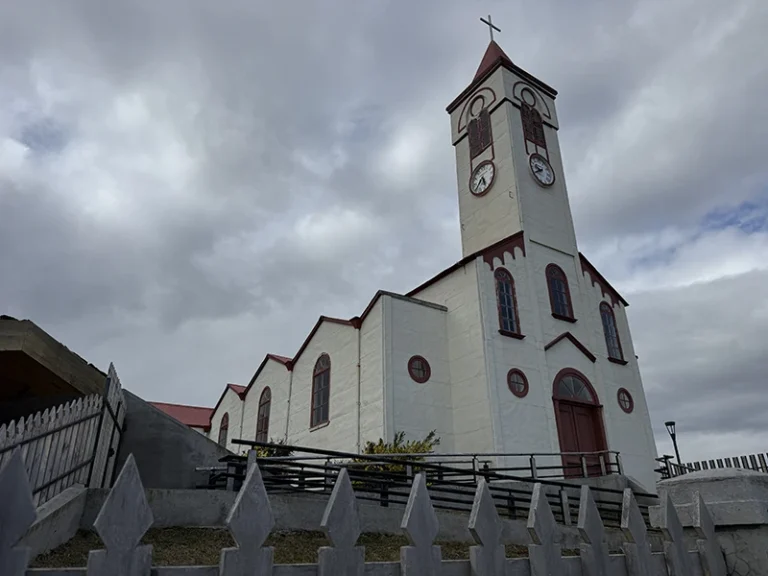
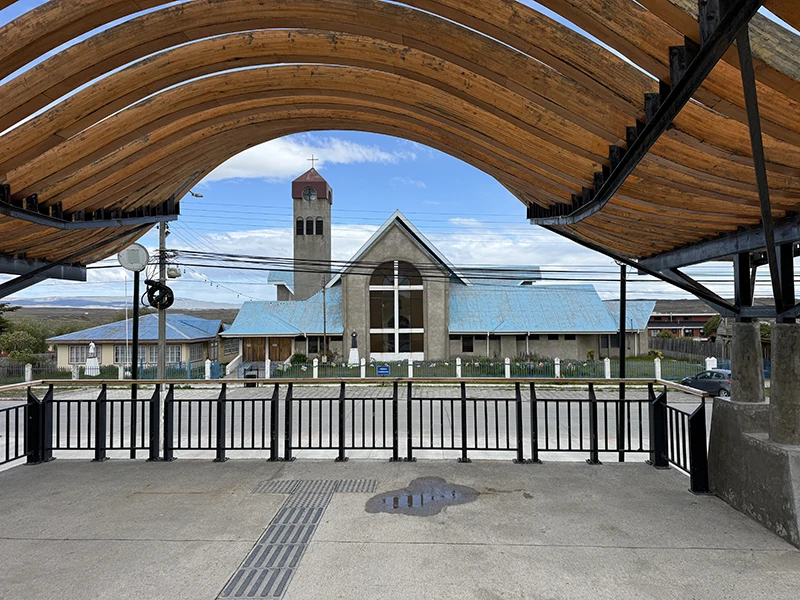
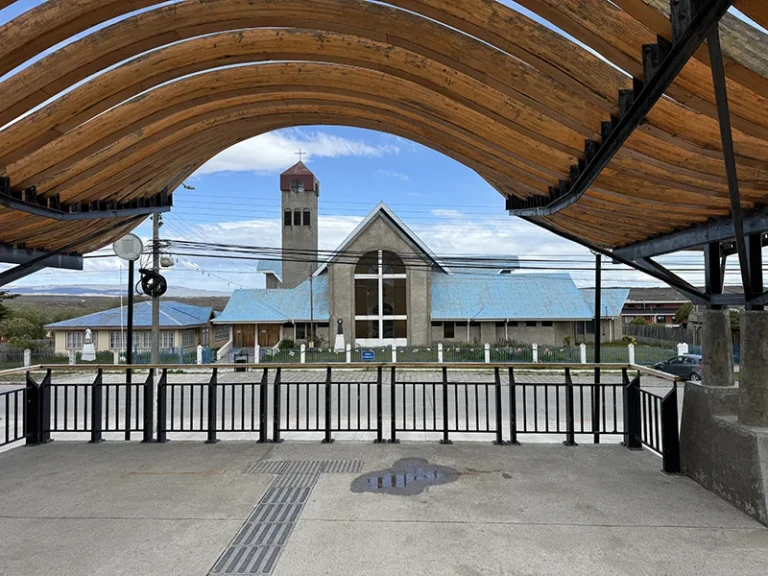
At the beginning of the 20th century, the Catholic Church strengthened its presence in Porvenir. A Salesian mission arrived in 1903 and, led by Italian priest José Fagnano, built the Church of San Francisco de Sales, which was inaugurated in 1904. Originally a single-nave church, it was expanded in 1921 with two side naves according to plans by Father Juan Bernabé. This religious building, together with the Salesian school founded in 1908, remains part of the local historical heritage. The San Francisco de Sales Church Historical Complex still stands today and includes the old chapel (1904), which has been converted into a museum displaying the history of Salesian work in Magallanes.

Porvenir’s economic activity has traditionally been linked to sheep farming and the exploitation of marine resources. Since the late 19th century, the livestock company Sociedad Explotadora de Tierra del Fuego, founded in 1893, controlled large estates on the island. By the early 20th century, it owned some three million hectares for sheep farming. This territorial dominance made livestock farming the engine of the regional economy, contributing a large part of Patagonia’s wool and meat production. At the same time, hydrocarbon deposits were discovered in the region, giving rise to the local oil industry. The expansion of sheep ranches was often carried out at the expense of the indigenous peoples: historical research confirms that the introduction of large ranches was accompanied by episodes of violence and extermination against the Selknam, a process that has been called the Selknam genocide. During the 20th century, the commune grew as an administrative and commercial center, while its rural surroundings were organized into ranches dedicated to grazing.

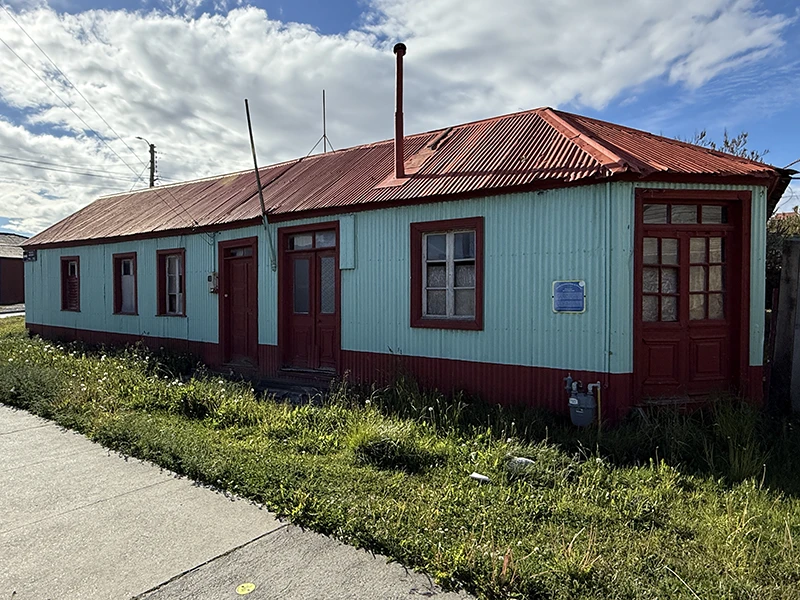
Porvenir historia 1
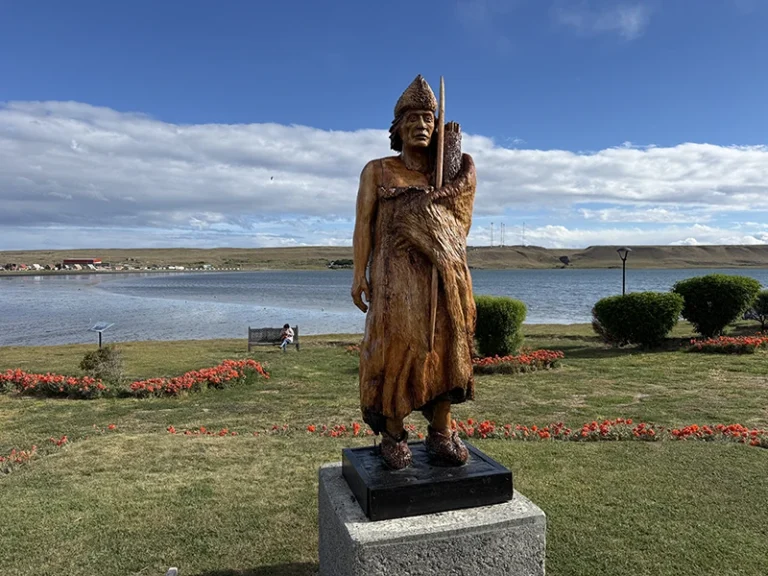
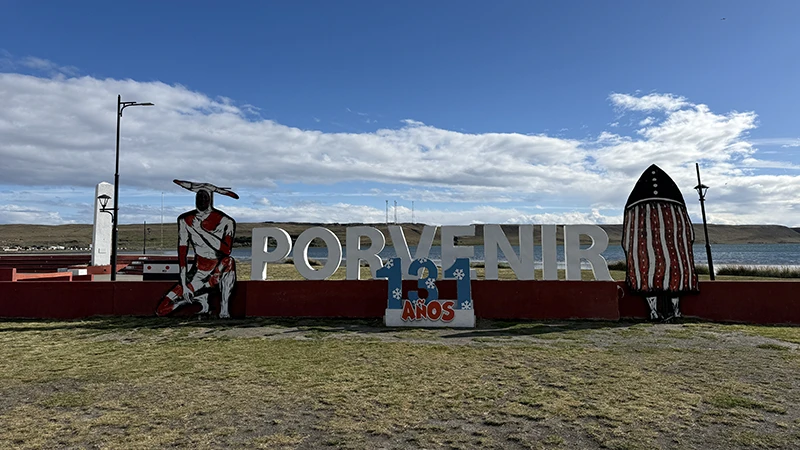
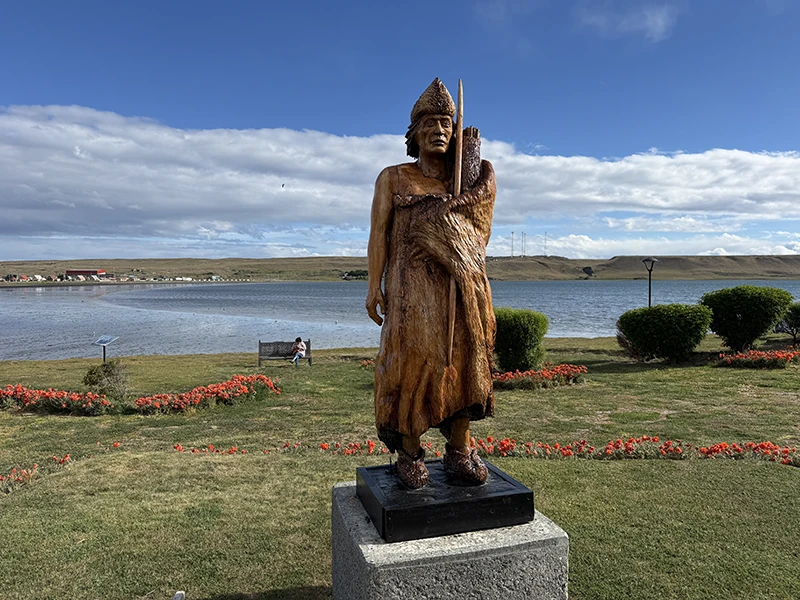
Selknam sculpture
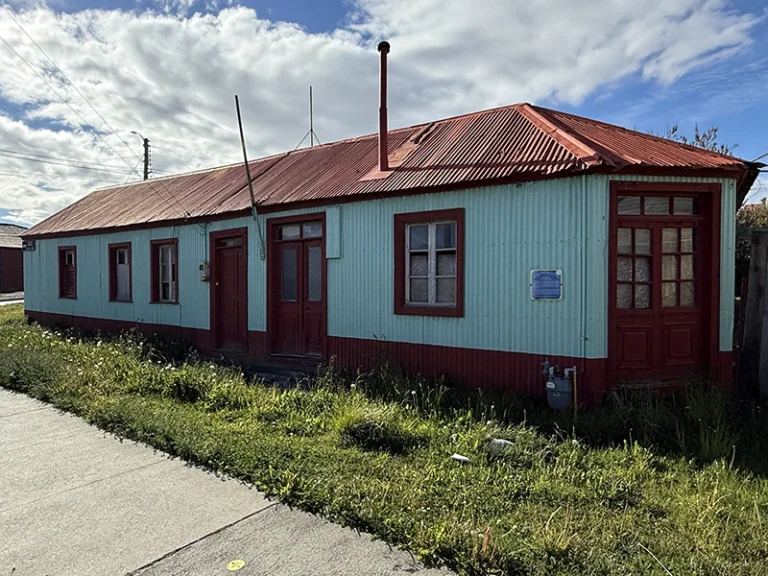
Porvenir historia 2 PRIMER CINE 1910
First Movie Theater Opened in 1910

Cultural heritage

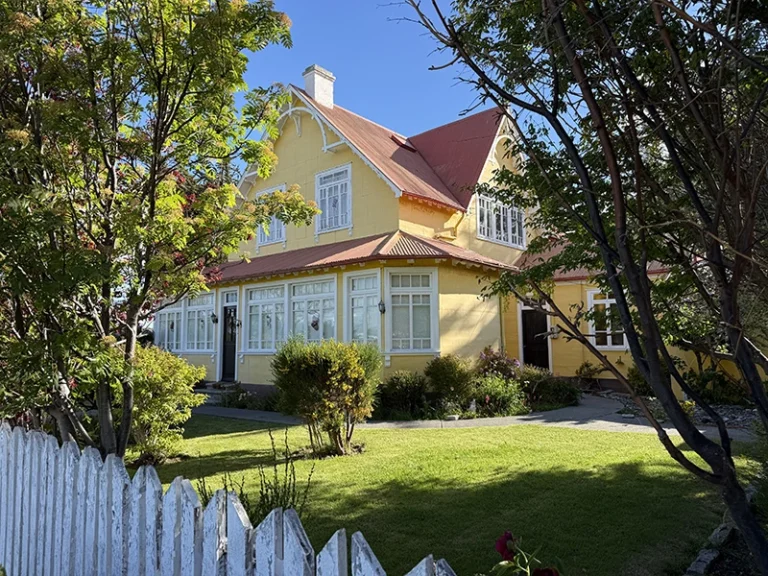
Porvenir’s urban heritage preserves many vestiges of its colonial past. The San Francisco de Sales Church (1904) is its most prominent symbol: built by the Salesian mission for the original settlers, today it functions as a historical museum with original furnishings. The original temple was enlarged in 1921 to increase its capacity. Next to the church stands the former Salesian school “San Francisco de Sales” (opened in 1908), which functioned as a school until the mid-20th century. In Porvenir’s main square, there are busts and monuments commemorating the first settlers, and sculptures have been installed in public spaces to pay tribute to the Selknam people, whose history is fundamental to the local identity.

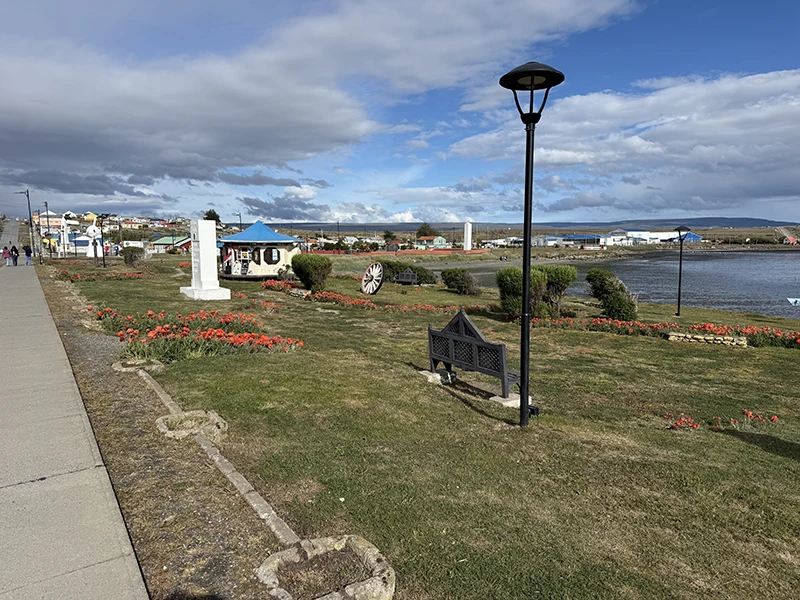
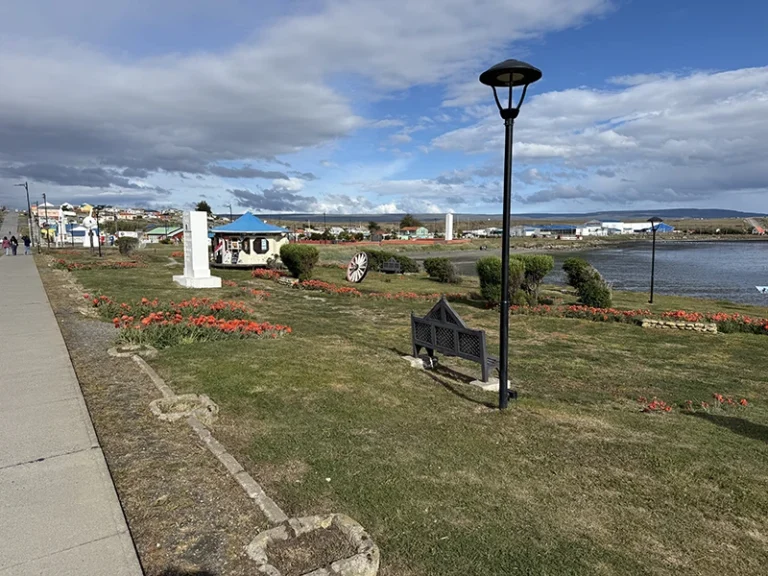
The layout and architecture of the center of a5> Porvenir date mainly from the first half of the 20th century, reflecting styles European of the era. One of the most recent commemorative spaces is the Plaza Selknam, with sculptures dedicated to the Selknam people. In the coastal area, a urban park has been has a urban park with monuments to immigrants and founders. A few kilometers from the center are attractions of a46> natural and cultural attractions: 6 km to the north is the Laguna de los Cisnes, protected as a Natural Monument, where colonies of flamingos nest. Also noteworthy are the Croatian Park and the Memorial Park (with mausoleums of Croatian pioneers), as well as panoramic viewpoints overlooking the Strait of Magellan. In the Municipal Cemetery, the remains of many of the first European settlers rest, with tombs of the a86> first European settlers rest, along with graves of families from the islands, British, Croatian and Chilote.

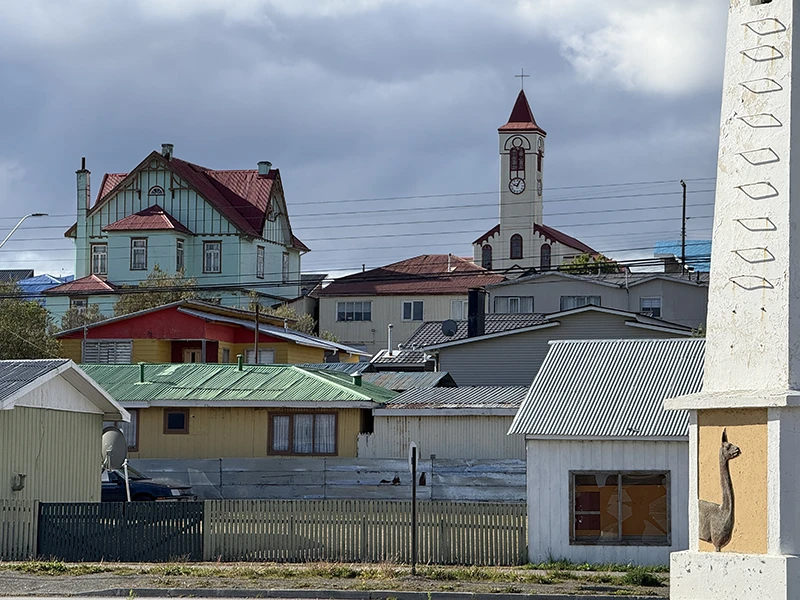
Porvenir patrimonio cultural 1
Porvenir patrimonio cultural 2

The fever of the gold

The gold rush in Porvenir was the event that marked the origin of the city and radically transformed the history of the Chilean portion of Isla Grande de Tierra del Fuego at the end of the 19th century. This process began in the 1880s, when alluvial gold deposits were identified in rivers, estuaries, and beaches in the northern part of the island, attracting fortune seekers from Chile, Argentina, and Europe.

In 1883, as a direct consequence of the massive arrival of adventurers, the Chilean government established a police detachment in Porvenir Bay to maintain order and assert national sovereignty. This small post marked the emergence of the first permanent settlement in the area. Gold was extracted mainly by hand, using pans, sluices, and water channels, giving rise to makeshift camps that eventually consolidated into a stable settlement.

The arrival of European miners, especially British and later Croatian, gave Porvenir an early multicultural character. However, the boom was short-lived: towards the end of the 19th century, the richest gold deposits began to run out and gold mining became unprofitable. Many prospectors left the area, while others became ranchers, merchants, or workers in the nascent livestock industry.

The gold rush had profound and contradictory consequences. On the one hand, it drove the effective occupation of the territory and gave rise to Porvenir as an urban center. On the other hand, it accelerated the dispossession of land and violence against the Selk’nam and Haush indigenous peoples, whose traditional territories were invaded, fragmented, and, in many cases, the scene of persecution and extermination.

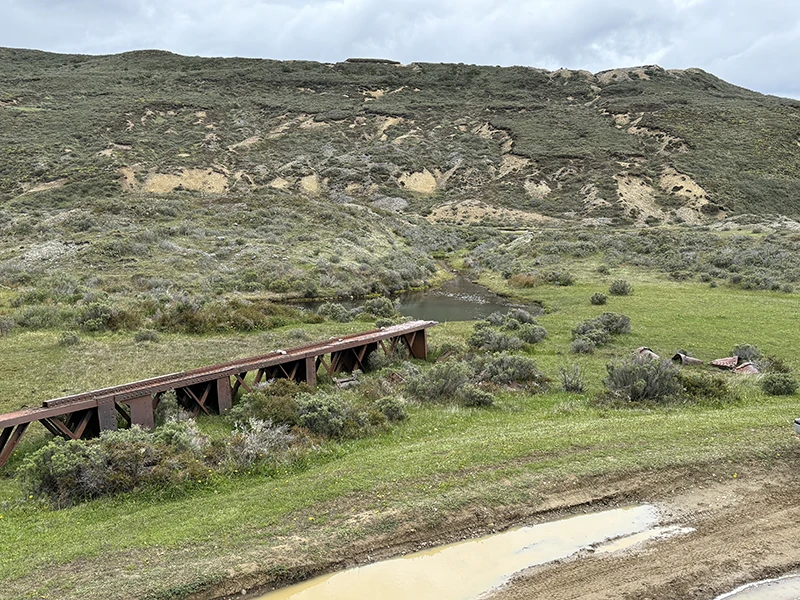
Although the gold rush lasted only a few decades, its legacy remains in the historical memory of Porvenir. The pioneering spirit, the remains of old mining camps, and the collections of the Fernando Cordero Rusque Museum are reminders of a foundational period marked by the dream of wealth, the harshness of life in the far south, and the birth of one of Chile’s southernmost cities.
Provenir fiebre del oro1 RIO DEL ORO
River of Gold
Porvenir fiebre del oro 2
Quarry and dredger for extracting gold

Geography and climate

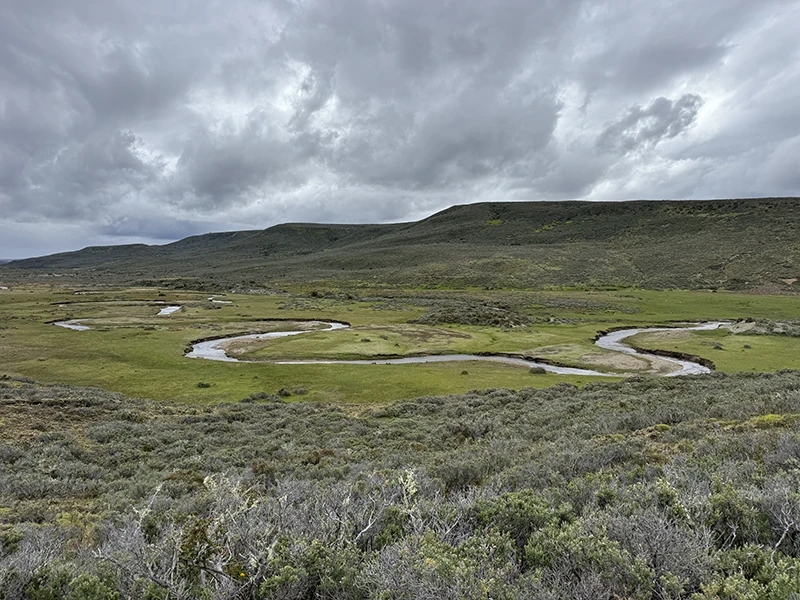
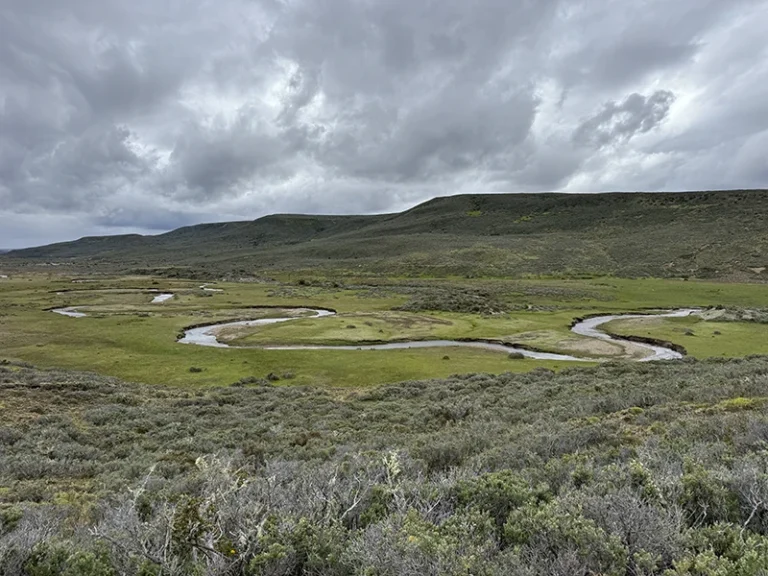
The commune of Porvenir covers much of the north-central sector of Isla Grande de Tierra del Fuego. Its territory is largely flat or gently rolling, with wide Patagonian steppes and scattered sub-Antarctic forests. According to the Köppen classification, the climate is a mixture of tundra (ET) and cold Mediterranean with winter rainfall (Csc). Average annual precipitation is 380.8 mm, spread throughout the year, with frequent snowfall in winter. Summers are relatively mild (with highs of up to 22°C, and a record high of 32.2°C), while winters are cool (with lows around -10°C, reaching a historic low of -14.2°C) thanks to the moderating effect of the Strait of Magellan.

Why visit Porvenir?

Por que visitar Porvenir 1
Por que visitar Porvenir 2

Visiting Porvenir means delving into one of the most authentic and least explored of the far south of Chile. This small city, capital of the province of Tierra del Fuego, offers a unique experience for those seeking pristine landscapes, living history and a deep connection with the southernmost part of Patagonia.

The nature surrounding Porvenir is another key reason to visit. Its waterfront allows you to observe black-necked swans, pink flamingos, and a wide variety of seabirds. Nearby are the Swan Lagoon, the Flamingo Lagoon, and vast open steppes that offer a sense of space and silence that is difficult to find elsewhere in the world.

Por que visitar Porvenir 3
Por que visitar Porvenir 4

Porvenir is also an excellent base for exploring Tierra del Fuego. From here, you can take excursions to king penguin colonies, the legendary Darwin Mountain Range, Karukinka Park, and Seno Almirantazgo, where you can see glaciers, fjords, and marine wildlife. The city offers tourist services, lodging, restaurants, and warm hospitality that surprises visitors.

Unlike more popular destinations, Porvenir offers tranquility, authenticity, and direct contact with Patagonian culture. It is ideal for those seeking authentic experiences, adventure, remote landscapes, and an understanding of the complex human and natural history of the end of the world. Visiting Porvenir means discovering a lesser-known but deeply impressive side of Patagonia.

The legacy of livestock farming of Tierra del Fuego

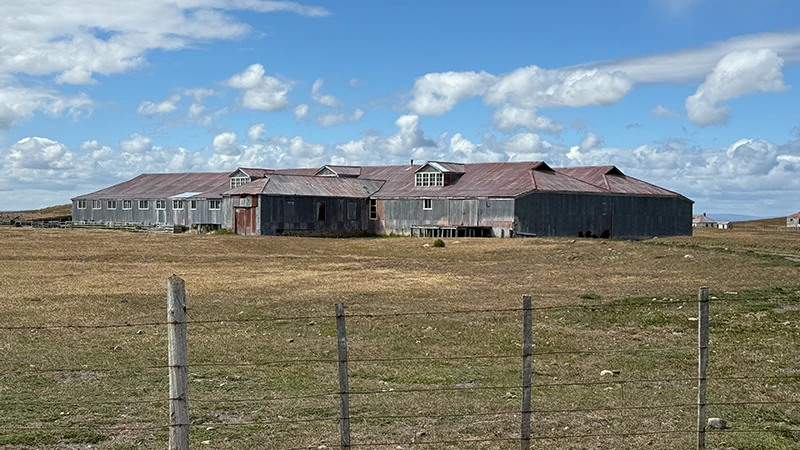
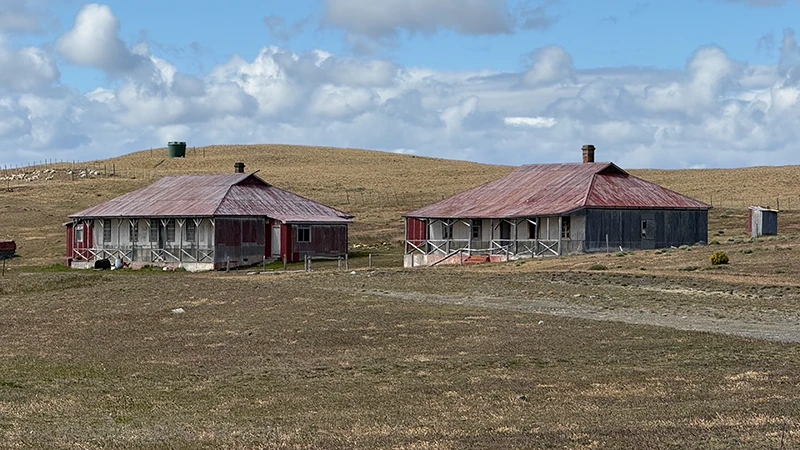
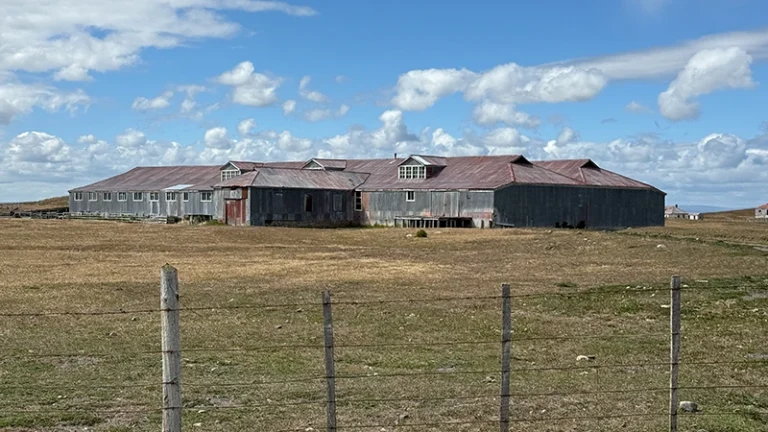
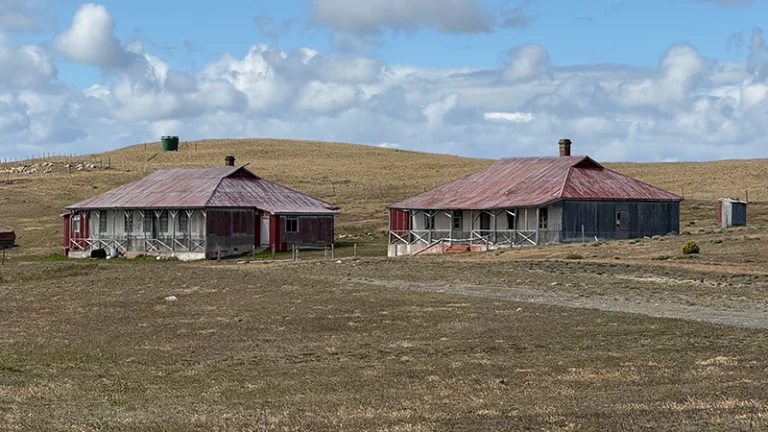
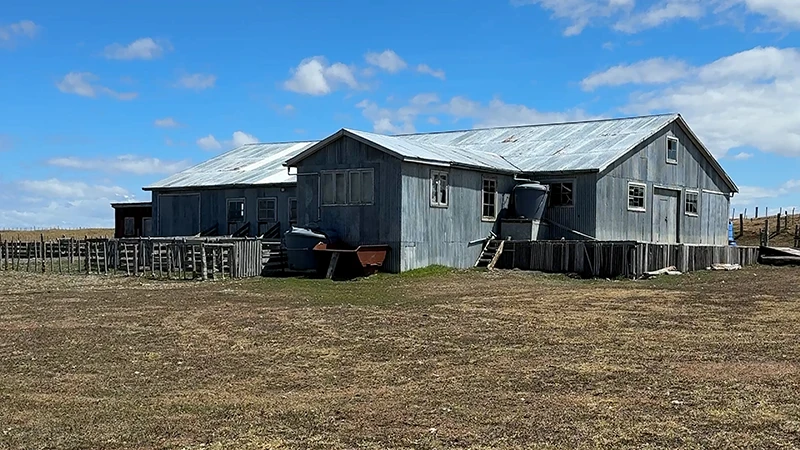
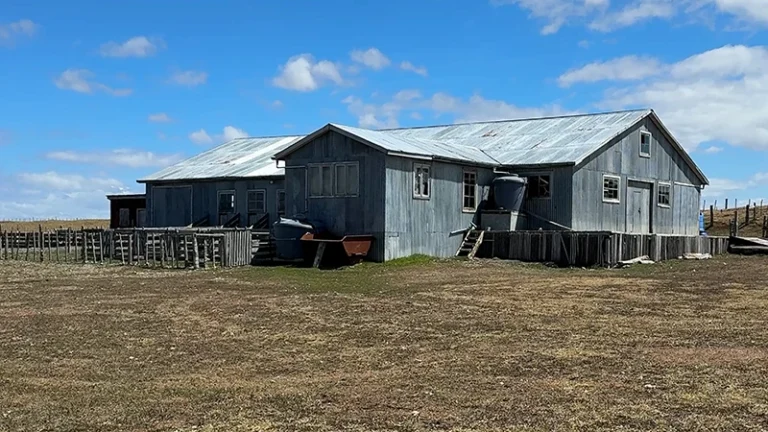
The ranches in Tierra del Fuego are an essential part of the island’s productive and cultural identity. They emerged in the late 19th century, when sheep farming completely transformed the landscape of Tierra del Fuego and gave rise to extensive estates dedicated to the management of large herds. The Sociedad Explotadora de Tierra del Fuego, one of the most influential livestock companies in Patagonia, played a prominent role in this process, establishing iconic ranches and developing pioneering infrastructure for the time, such as shearing sheds, transport networks, and modern production systems. Many of today’s ranches preserve this legacy: large tracts of land, sheep-farming traditions, rural life linked to extreme weather, and a deep connection to the region’s colonial and livestock history.

legado ganadero 1
legado ganadero 1
legado ganader 2

Discover the Don Esteban Ranch that Produncan has to offer you.

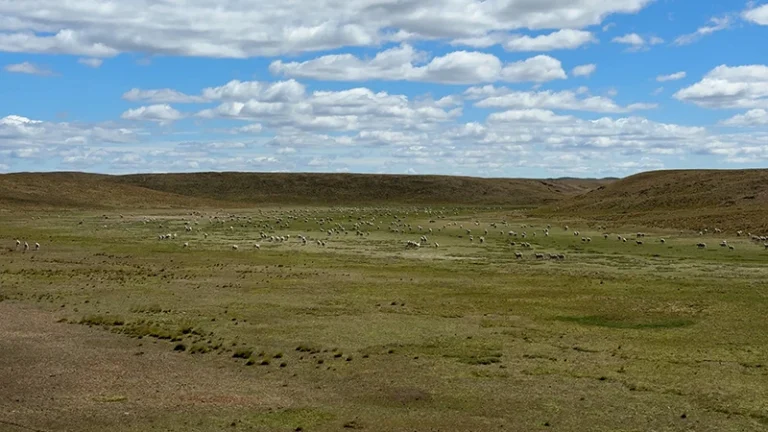
At the extreme most pure end of Patagonia, in the Region of Magallanes, is located Estancia Don Esteban, an exceptional property of a14> 4,190 hectares dedicated to sheep farming, where tradition, nature and productivity converge in harmony.

Its operation is strategically divided between fields of a8> winter and summer, which allows for efficient herd management. a13> efficient management of the herd throughout the entire year.

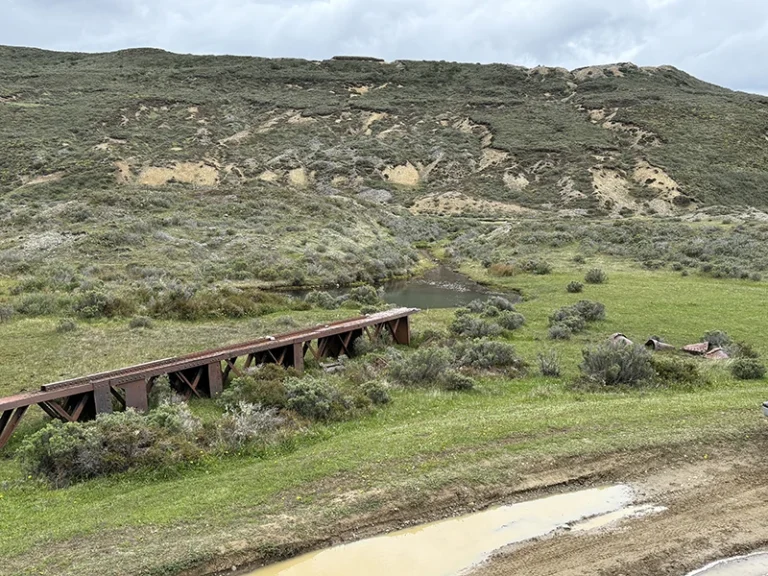
The winter ranch, covering 2,051 hectares, has a fully equipped shearing shed, solid infrastructure, and capacity to maintain 4,000 animals, with room to increase production.

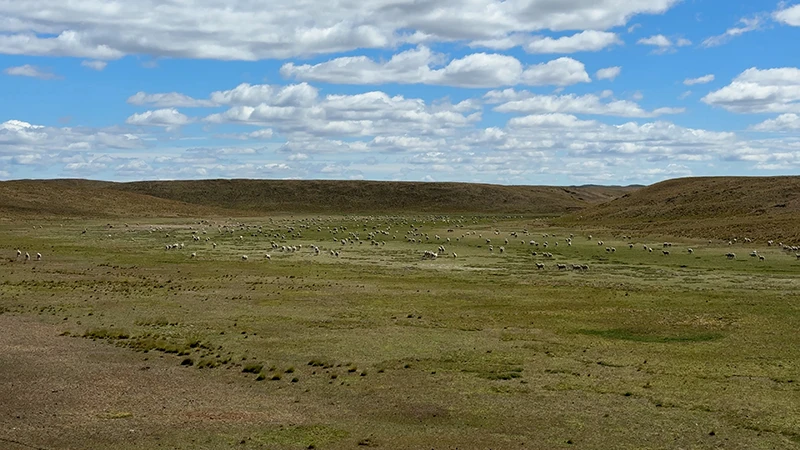
The summer ranch, covering more than 2,100 hectares, offers high-quality soil, meadows, streams, and a pristine environment capable of accommodating up to 6,000 sheep during the season.

Added to this is attractive passive income from easements, natural water resources, good connectivity, and the advantage of agricultural tax exemptions, which reduce costs and increase profitability.

Estancia Don Esteban is not just a ranch: it is a well-established livestock project with enormous potential for growth, located in one of the most impressive landscapes of a18> Tierra del Fuego.

Estancia Don Esteban. Land productive, tradition Patagonian and future in expansion.

Contact us and find out!

More information here.

don esteban 1
don esteban 1
don esteban 2
Share this article:

Related articles