Investment that connects with nature
Invest in Chilean Patagonia
Patagonia is a vast geographical region located at the southern tip of South America, shared by Argentina and Chile. Recognized worldwide for its immensity and untamed beauty, it is a territory that surprises with its diversity of landscapes, ecosystems, and cultures.
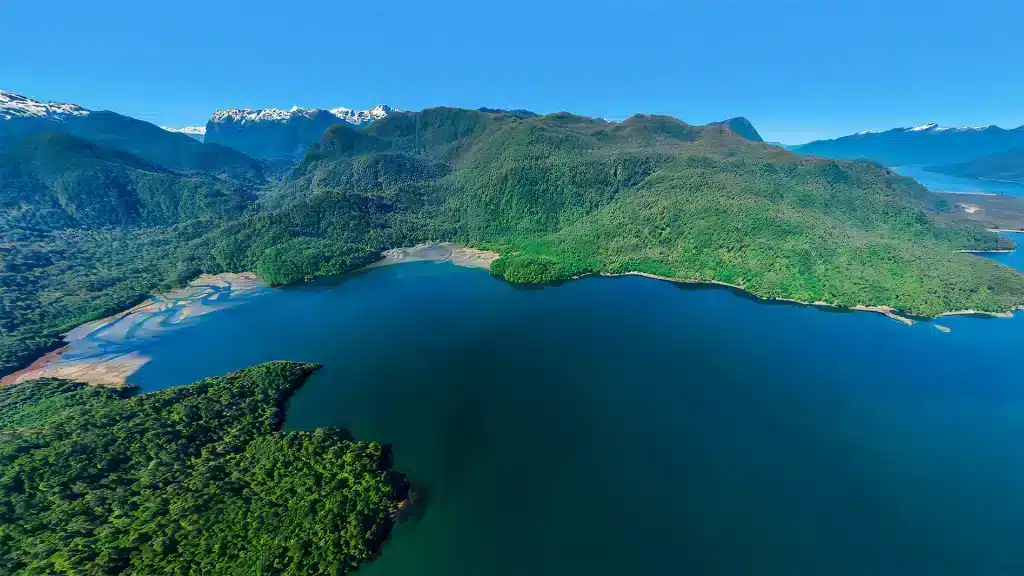
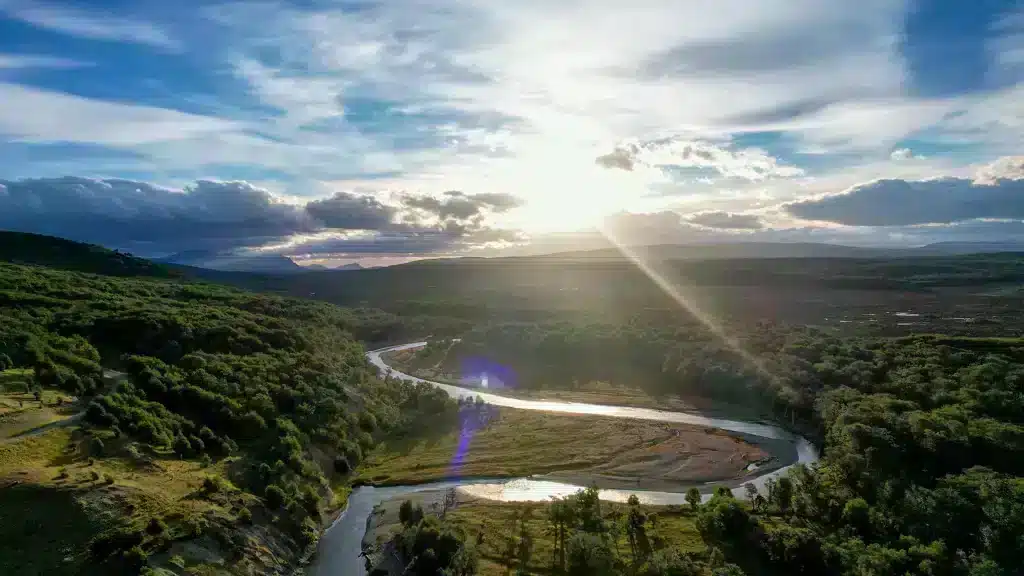
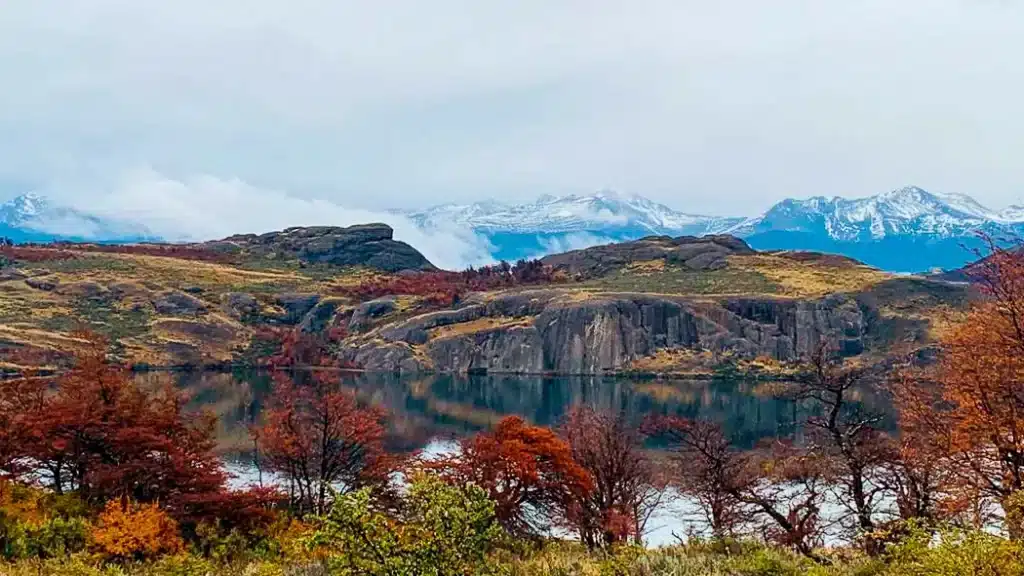
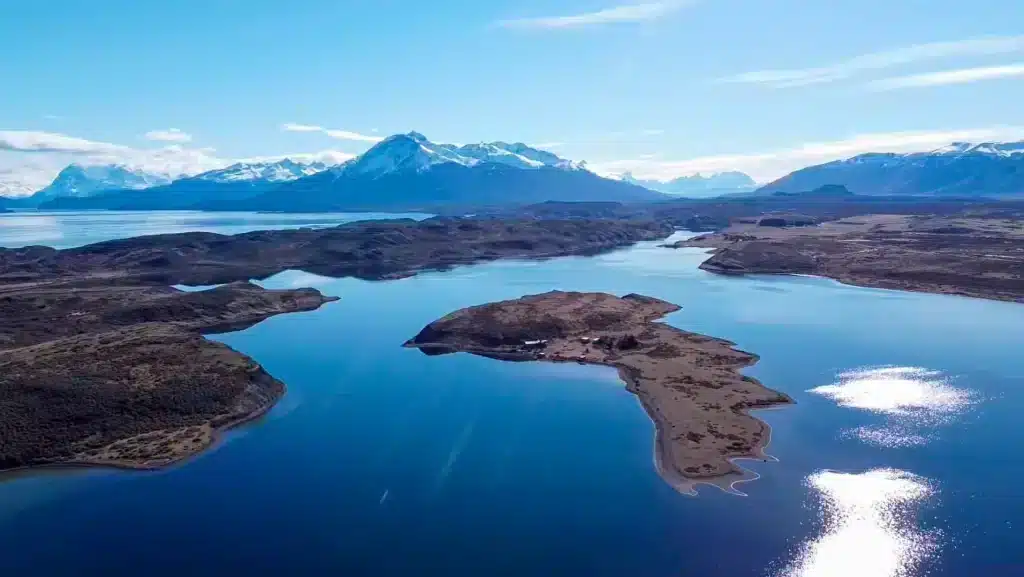
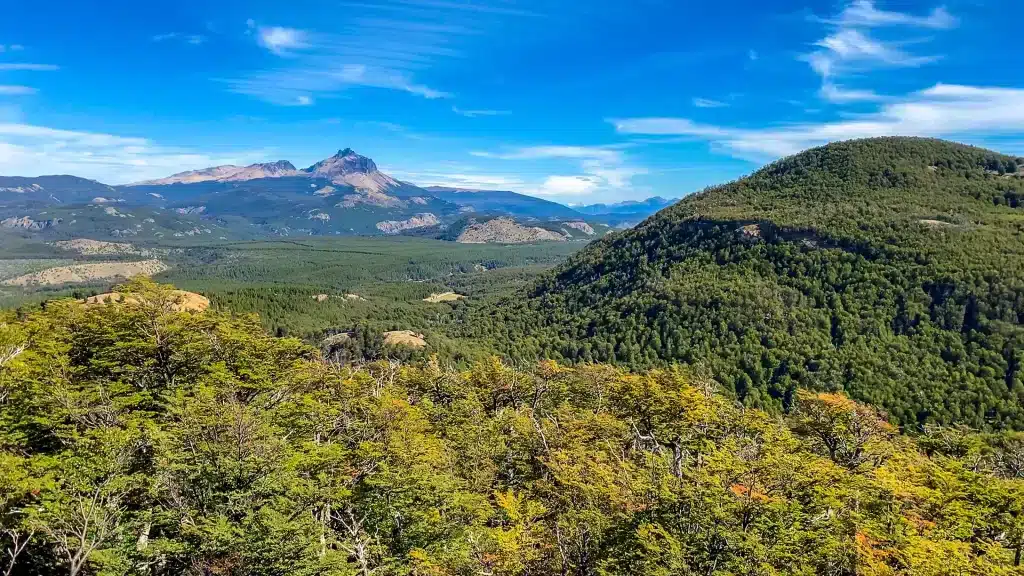
On its Chilean side, it extends from the southern part of the Los Lagos Region to Magallanes, displaying a mosaic of unique scenarios: snow-capped mountain ranges, ancient forests guarding ancient secrets, endless ice fields, deep fjords, open prairies, and crystal-clear waters. Its lands, fragmented by fjords, islands, and channels, arise from the collision between the Andes mountain range and the sea, which meet majestically here before making their way to the vast Patagonian pampas.
The isolation of these lands, with harsh climates and low temperatures, has resulted in a sparse population, but one that is deeply connected to its land. Even today, gaucho traditions and customs of settlers who learned to live on the continent's edge, where resilience is part of daily life, survive.
The biodiversity of Chilean Patagonia is another of its treasures: humid forests that host unique species, such as the huemul, a national symbol; the majestic condor soaring through the skies, and the puma, a stealthy guardian of the steppe. Every corner holds wildlife that is not found anywhere else in the world.
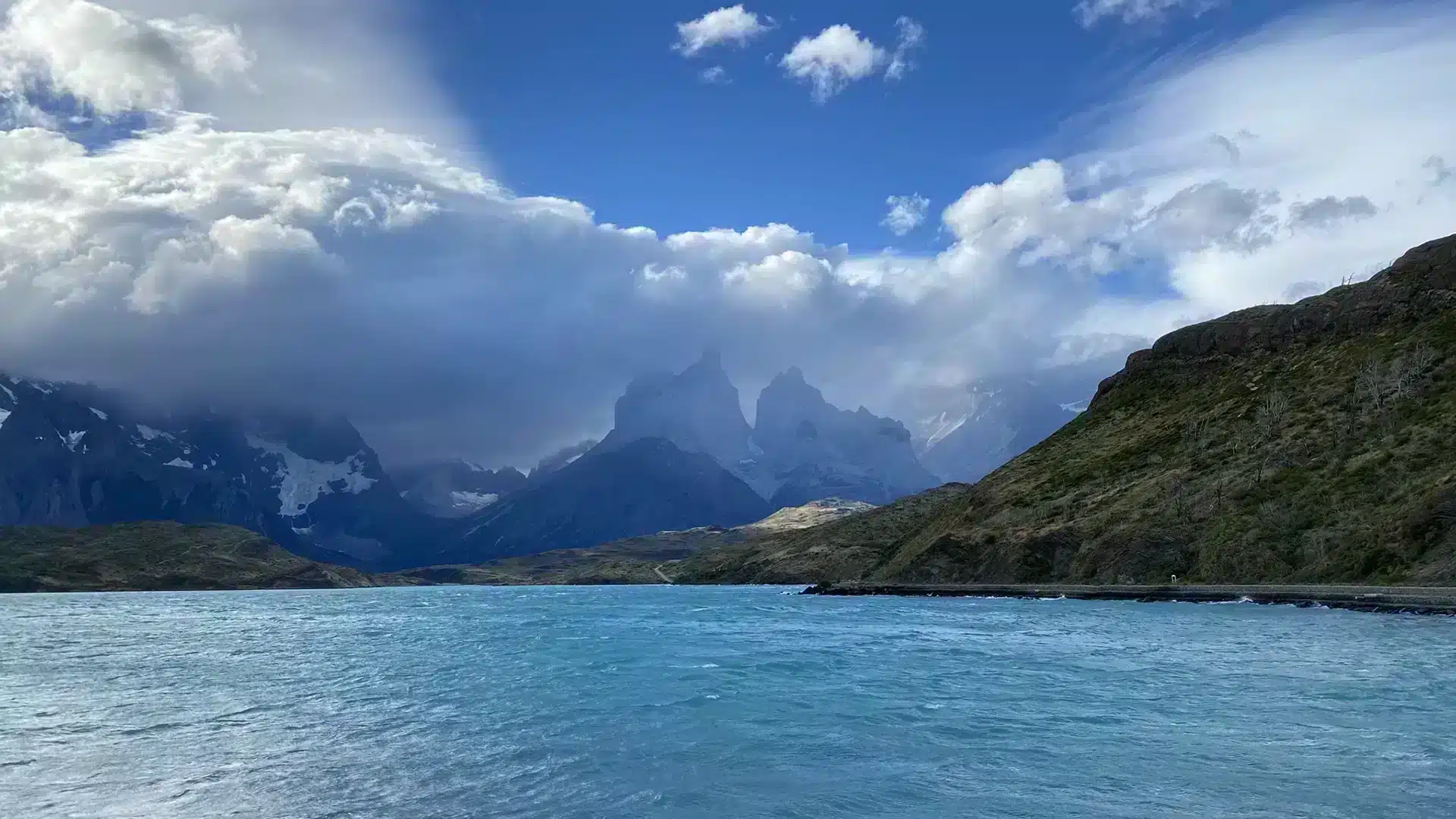
Among its most emblematic panoramas stands the Torres del Paine National Park, with its granite mountains rising like cathedrals, its blue glaciers, and turquoise lakes of indescribable beauty. This park, considered one of the natural wonders of Chile and the planet, is the emblem of what Patagonia means: pure and overflowing nature.
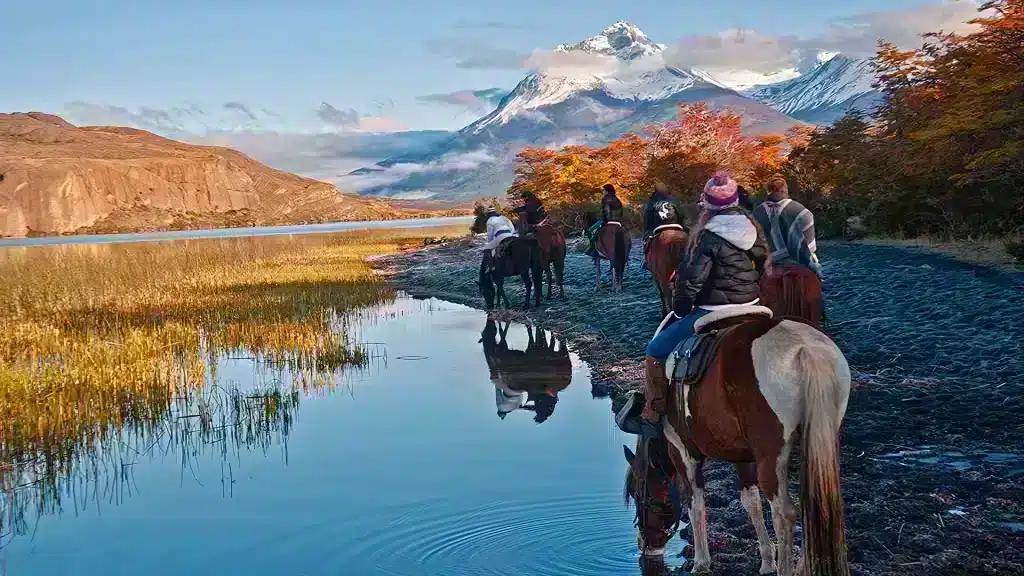
This territory is also a paradise for adventurers. Its trails invite trekking among glaciers and lagoons, the open pampas are ideal for horseback riding, and its waters are perfect for kayaking, navigating through channels, or enjoying sport fishing. Each activity is framed in settings of beauty that is hard to match, making it a dream destination for those seeking authentic experiences and connection with the essential in pristine state.
Living in Patagonia: Quality of life and disconnection
Many inhabitants of these latitudes deeply value the tranquility and genuine connection that this environment offers. Life here flows at a slower pace, away from the fast rhythm of big cities, without giving up the connectivity that today allows working from practically anywhere.
However, the current reality has transformed this experience. The rise of remote work and increasingly easy access to clean energies like solar, along with quality satellite internet, have opened the door to a hybrid lifestyle: enjoying isolation and the purity of landscapes without giving up being fully connected to the world. Today, many families and professionals are leaving urban areas to move to these lands, seeking balance, health, and well-being.
In Patagonia, it is possible to find that unique combination: being far away, but never disconnected. Here, the pure air, fast-moving skies, and untamed nature become part of daily routine, inspiring a healthier, simpler, and more authentic life.
Living here is not just a change of place; it is a personal transformation experience. Those who choose these lands discover that the beauty of their landscapes and the strength of their natural environment invite them to reinvent the way they inhabit the world.
Produncan Lands, through its real estate agency, invites you to take that step; explore Patagonia and find in it not just a home, but a space where the connection with the authentic transforms into inspiration, harmony, and a new way of living each day.
Why invest in Chilean Patagonia
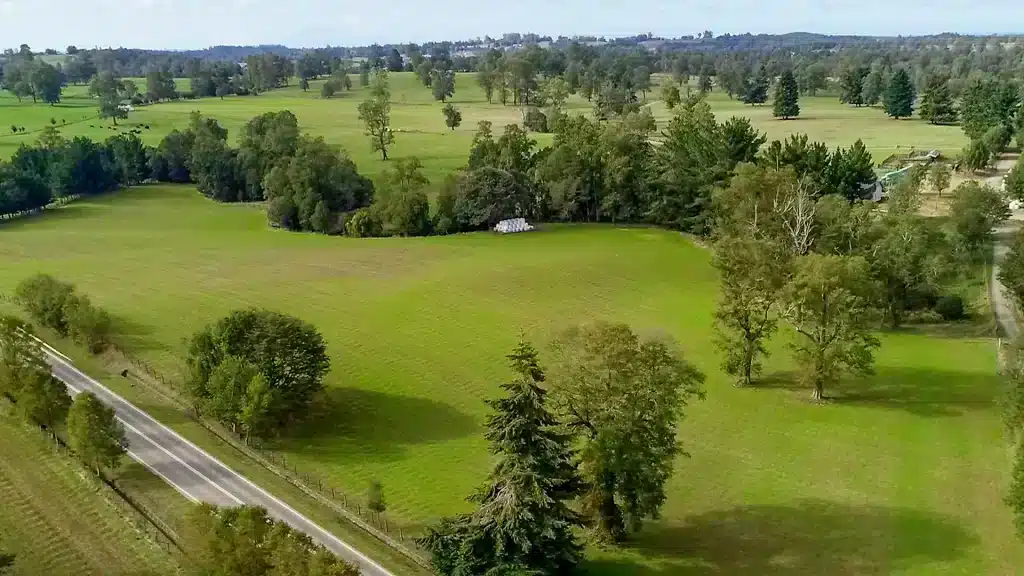

The southernmost part of Chile has transitioned from being a remote and admired area to becoming a real focal point of global interest through land conservation, allocating productive capital, or finding a personal refuge. This combination of untouched landscape, natural wealth, and relatively low population density has awakened a growing demand, both from large investors and from individuals seeking security, quality of life, and protection against global uncertainty. In recent years, Chilean Patagonia has sparked increasing interest among investors, tourism developers, and people looking for a second residence or a conservation project intending to be part of this unique territory.
It is important to clarify: there are those who attribute to Patagonia qualities of refuge against extreme scenarios, from economic instability to geopolitical risks, and some narratives even suggesting climatic advantages in supposed extremes. The above, despite belonging to the realm of speculation and not being the sole reason for investment, is solid: compared to analogous regions in other countries, these lands tend to be more accessible, where many investors consider it more economical than comparable options in Canada, Alaska, or New Zealand, and that, along with its growing demand, drives the expectation of appreciation.
Why place capital here? Broadly speaking, the practical reasons repeated by actors on the ground are:
Natural and energy resources. The region concentrates potential in fishing, aquaculture, manageable forests, freshwater, marine wealth, and opportunities for renewable energies (small-scale hydroelectric, wind, emerging projects like green hydrogen). Additionally, conservation, conservation tourism, and sustainable forest management open pathways for ecosystem service markets and carbon credits. This portfolio is complemented by specialized agriculture and premium livestock, sectors that, along with the previous ones, represent markets that are currently growing strongly.
Tourism and experience. The Patagonian environments attract high-value tourism: trekking, lodges, experiential tourism, and sport fishing. Well-located and sustainable projects tend to achieve good returns and generate local employment.
Developing infrastructure and connectivity. Public and private initiatives have been improving roads, regional airports, and ports, which reduces logistical costs and facilitates access to productive or tourist projects. This physical advance is complemented by the deployment of fiber optics, Starlink satellite connectivity, and rural electrification, key factors that are closing the gaps of isolation and digitalization in the area.
Diversification and heritage protection. Many investors see land as a real asset that protects against inflation and volatility in financial markets; Patagonia, due to its scarce nature and growing demand, fits into that logic.
Attractive relative costs. In comparative terms, land and projects cost, and in many cases still cost, less than similar alternatives in temperate countries with high international demand, which facilitates the entry of capital.
Institutional framework and stability. Chile offers a recognizable institutional framework for investments: macro stability, regulations for foreign investment, and promotion agencies that facilitate procedures and contact with authorities.
However: investing in Patagonia is not a blank check. There are also risks and limitations that every investor must consider: distance and logistics, costs of enabling services (water, electricity, roads), demanding environmental regulations (protection of native forests, wetlands, and habitats), water rights, presence of indigenous lands, the need for sectoral permits (SAG, SEIA, municipalities), availability and cost of specialized labor, and access to bank financing for certain rural projects. Appreciation exists, but it comes with timelines, procedures, and real operational challenges.
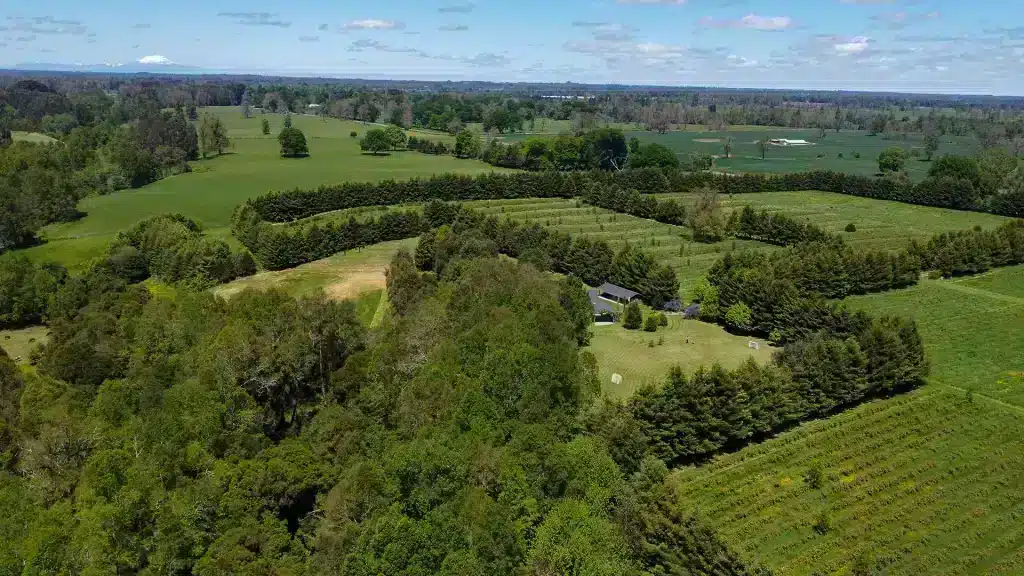
If you are considering allocating capital, these are prudent and recommended steps:
- Initial assessment and market study: locate opportunities, compare prices, and understand local and tourist demand.
- Legal and technical due diligence: title study, verification of water rights, easements, and on-site inspection.
- Environmental assessment and permits: determine if the project requires an environmental impact study (SEIA) or sectoral authorizations.
- Investment structure: define whether it will be direct investment, creation of a Chilean company (SpA/Ltda.), or partnership with local partners.
- Business plan and financial projection: consider access costs, services, works, and return times.
- Relationship with communities and regulators: social license and regulatory compliance are fundamental in rural projects or in lands with indigenous presence.
At Produncan Lands, we accompany the entire process. We offer comprehensive support that includes searching and filtering land, coordinating technical inspections, managing title studies and verifying easements, advising on water rights and SAG regulations, supporting corporate structuring in Chile, connecting with specialists for environmental assessments, and, when appropriate, designing tourism or productive projects focused on sustainability and long-term value generation. We also facilitate contact with public offices (InvestChile, municipalities, regional offices) and reliable local advisors (lawyers, surveyors, engineers).
Betting on Patagonia can be a powerful opportunity if approached with planning, expert advice, and respect for the territory. If you are interested in exploring options or want an initial diagnosis of a property or project, at Produncan Lands we can prepare a tailored evaluation and guide you step by step.
Tax incentives for investing in Patagonia
Chile has various tax incentives and promotion programs aimed at encouraging investment and productive development in the country's extreme areas. Depending on the project's location, its economic activity, and the regulations in force at the time of investment, both national and foreign investors can access different benefits. Since some of these incentives are subject to deadlines, calls, or specific requirements, it is advisable to always verify their validity before making an investment decision.
1. Bonus for hiring labor in extreme areas
Law No. 19,853 includes a bonus for employers who hire workers with permanent residence and performance in certain extreme areas of the country, including the regions of Aysén and Magallanes, as well as Chiloé, the province of Palena, and other areas defined by current regulations.
To access the benefit, the company must be registered with the General Treasury of the Republic (TGR), and it consists of a bonus amounting to 17% of the taxable remuneration with an adjustable cap based on the CPI. The law aims to promote formal employment and economic development in these areas.
2. DFL No. 15: Incentive for productive investment
DFL No. 15 of 1981 corresponds to the Fund for the Promotion and Development of Extreme Regions. It establishes a support mechanism for productive investment projects in extreme areas through programs managed by the State. The organization that administers the calls is CORFO.
The benefit consists of a bonus of up to 20% on productive investments and reinvestments of small and medium investors. They are usually aimed at companies that make investments in fixed assets, such as constructions, infrastructure, facilities, or machinery. The availability of the benefit depends on the current calls, the allocated resources, and compliance with the requirements established by the competent authority.
3. Tax benefits for investments in extreme regions (Law No. 19.606 – Austral Law)
Law No. 19,606, known as the Austral Law, establishes a special regime of tax incentives aimed at promoting productive development in the regions of Aysén, Magallanes, and the province of Palena. This instrument constitutes one of the main tax benefits for those developing investment projects in the far south of Chile.
The law includes a tax credit applicable against the First Category Tax for taxpayers who determine their effective income through full accounting and who carry out productive investments that meet the requirements established by the regulations. Among them, a minimum investment of more than 500 Monthly Tax Units (UTM) is required, in addition to complying with the information obligations and deadlines established by the Internal Revenue Service (SII).
Given that the benefits of the Austral Law may be subject to modifications, extensions, or legal adjustments, it is essential to verify its validity, the applicable requirements, and the specific conditions before structuring an investment project.
4. Benefits for the importation of capital goods
Chile contemplates special regimes that facilitate the importation of capital goods intended for investment projects in certain areas of the southernmost part of the country. Among them, the Free Trade Zone of Punta Arenas stands out, regulated by Law No. 19.149, which grants tax and customs benefits for the importation of certain goods intended for productive activities.
Likewise, the legislation has incorporated mechanisms that extend some of these benefits to the Aysén Region for the importation of capital goods, with the purpose of promoting investment and economic development in the southern areas.
The application of these benefits depends on the nature of the project, the type of goods to be imported, the location of the investment, and compliance with the requirements established by current regulations. Therefore, it is advisable to conduct a prior tax and customs analysis to determine the eligibility for these incentives and assess their impact on the financial structure of the project.
5. Incentives for innovation and research and development (R&D)
Projects that incorporate innovation, technological development, or research can access tax incentives and support programs mainly managed by CORFO and other specialized public agencies.
These programs can benefit initiatives related to sustainable tourism, renewable energies, biotechnology, forestry development, circular economy, and other strategic sectors for regional development.
6. Sectoral support programs
In addition to tax incentives, Chile has various public programs aimed at promoting productive development in strategic sectors such as tourism, innovation, agriculture, natural heritage conservation, sustainability, and renewable energies.
Depending on the nature of the project, investors can access financing lines, subsidies, co-financing programs, or support instruments managed by public organizations such as CORFO, SERCOTEC, INDAP, CONAF, SERNATUR, and Regional Governments, among others. The availability of these instruments varies according to the type of project, the region where it is developed, and current public policies.
Aspects to consider
Before making an investment in Chilean Patagonia, it is advisable to keep in mind that:
- Some benefits have a specific validity period or depend on periodic public calls.
- The investment must be located within the geographical areas defined by the corresponding legislation to access certain incentives.
- Many programs include technical requirements, minimum investment amounts, or maximum benefit limits.
- Access to these incentives typically requires compliance with tax, environmental, labor, and municipal obligations, in addition to submitting the documentation required by each public agency.
- Depending on the project, it may be necessary to obtain sectoral authorizations, environmental permits, or technical evaluations before starting its execution.
The described incentives can be used by both Chilean and foreign investors, as long as they meet the requirements established by current legislation. In the case of foreign investors, it will usually be necessary to have a Chilean RUT and, depending on the type of project, operate through a company established in Chile.
Note: The above information is exclusively informative and corresponds to a general summary of the main existing promotion instruments. Tax regulations and public programs may change over time, so it is always recommended to obtain specialized legal, tax, and financial advice before structuring an investment.
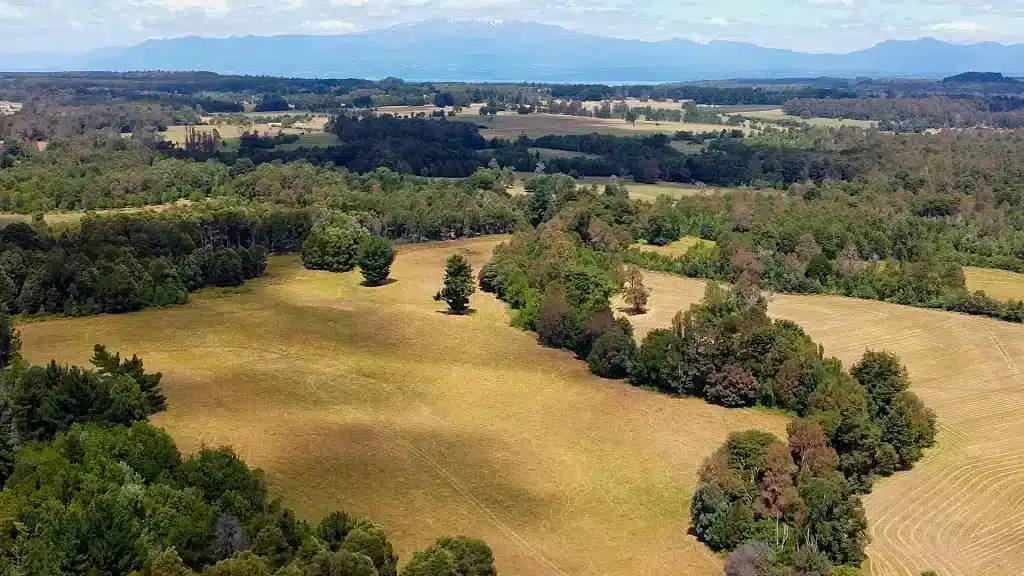
Investing in Chilean Patagonia is much more than acquiring a property: it is betting on a territory of extraordinary natural value, with enormous development potential and a quality of life that is hard to find in other places in the world. Like any significant investment, it requires reliable information, rigorous analysis, and the support of professionals with experience in the territory.
Transforming opportunities into purposeful investments
At Produncan Lands, we have been advising national and international investors in the search, evaluation, and acquisition of properties in southern Chile for years. Our team accompanies every stage of the process, from identifying opportunities and the legal and technical study of the lands to coordinating with lawyers, surveyors, architects, public agencies, and local specialists. Our commitment is to provide a transparent, personalized service focused on protecting our clients' interests.
If you are considering investing in Chilean Patagonia, we invite you to contact us. We will be happy to help you find the property that best suits your goals and accompany you so that your investment is made with security, confidence, and a long-term vision.